
**Please excuse our appearance while the website is being updated with new services and information about Denver's URCO. The revamped site will be up September 1st. Thank you for your patience and understanding....
303.481.3404
richard@rockieshauling.com
www.rockieshauling.com
1500 N Grant St, Suite R
Denver, CO 80203
Composting

Compostable
-
All Food Scraps Cooked or Raw including: Vegetables, Fruit, Dairy, Fish and Meat
-
Small Bones
-
Coffee Grounds and Filters
-
Egg shells and Egg Cartons
-
Flower Arrangements
-
Household Plants and Soil
-
Items labeled BPI Certified Compostable
-
Loose Tea
-
Paper Towels and Napkins
-
Paper (NOT Shiny or Glossy)
-
Pet Food
-
Pizza Boxes

Not Compostable
-
Baby Diapers
-
Pet Waste Bags
-
Candles
-
Cigarette Butts or Tobacco
-
Clams or oysters shells
-
Fire place or BBQ ash
-
Dryer lint or Sheets
-
Floss
-
Items labeled "Biodegradable"
-
Metal
-
Steel
-
Tin
-
Aluminium
-
Plastic
-
Styrofoam Meat Trays
-
Synthetic Corks

Printable Flyers


Composting Resource Webpages
Composting 101 (usda.gov)
Composting 101: Food Waste, Benefits (epa.gov)
Composting Fact Sheet (usda.gov)
EPA: Composting at Home (epa.gov)
Master Composter Manual (cornell.edu)
The Ultimate Guide to Composting (compostnow.org)
Compost Resources (compostfoundation.org)

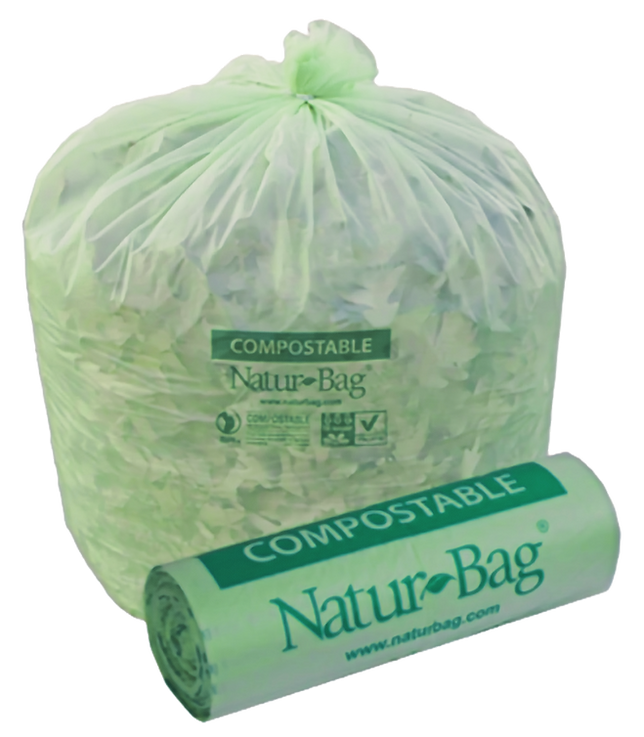
Compostable Bags


Compostable Bag Requirements
-
Bags must be Compost Manufacturers Alliances (CMA) Certified
-
Bags must be less than 3 Gallons in Size
-
Compostable Bags must be Certified to Ensure they will Compost Quickly, Completely, and Safely.
-
Certified Compostable Bags may be purchased Online and at Grocery Stores.
-
Paper Yard Waste Bags are Acceptable
-
NO OTHER Compostable Packaging is Accepted.


List of Approved Bags: Certified by Compost Manufacturers Alliances (CMA)
Commercial / Yard Waste Sizes
BioBag — 32- to 96-gallon bags. SKUs: 186272, 44G3448, 186274, 187125
Eco-Products — 32- to 48-gallon bags. SKUs: EP-CB33, EP-CB39, EP-CB45, EP-CB55
EcoSafe Zero Waste — 20- to 151-gallon bags. SKUs: HB3955-85, HB4248-85, HB4260-85,
HB4460-85, HB4860-85, HB5460-85, HB8270-12, CG3042-8, HB4860-2, HB2636-8,
HB2844-8, HB3039-11, HB3039-8, HB3042-85, HB3339-85, HB3348-85, HB3550-85,
CBR2636-6
Natur-Tec — 23- to 96-gallon bags. SKUs: NT1025-X-00011, NT1025-X-00012, NT1025-X-00013, NT1025-X-00014, NT1025-X-00015, NT1025-X-00018, NT1025-X-00028, NT1025-X-00029, NT1025-X-00030, NT1025-X-00031, NT1025-X-00034, NT1025-X-00035, NT1025-X-00037, NT1025-X-00202, NT1025-X-00203, NT1025-X-00204, NT1025-X-00205, NT1025-X-00206, NT1025-X-00207, NT1025-X-00208, NT1025-X-00209, NT1025-X-00210, NT1025-X-00211, NT1025-X-00212, NT1025-X-00036
UNNI — 33- to 64-gallon bags. SKUs: T-33G-20, T-55G-10, T-65G-10
Residential (Kitchen Pail) Sizes
Open Nature — 3- to 13-gallon bags. SKUs: ALB-GW15185-25, GW16195, GW15187-12, GW15187-25, GW15197-25, GW15185-25
BioBag — 2- to 13-gallon bags. SKUs: 187128, 187132, 187229, 187230, 187684, 203011, 203012, 203030, 203031, 02G1517, 03G1718, 08G2024, 13G2229
Blue Marble Field Day — 3-gallon bags. SKUs: LKBMB271
Eco-Products — 3- and 13-gallon bags. SKUs: EP-CB03, EP-CB13 EcoSafe Zero Waste — 2.5- to 13-gallon bags. SKUs: CP1617-6, CP2432-6, CP1825-6, BB1617-5, BB2432-6.12, BB2432-6.25, HB1617-6, HB1825-6, HB2022-6, HB2125-6, HB2432-6, HB2432-85, HR1617-6, HR2022-6, HRG1617-6, RP1617-6, RP2432-6, CG2432-6, CP1617-6, HB1617-6, HB2022-6, HB2125-6, HB2432-6, HR1617-6
Natur-Tec — 5-gallon bags. SKUs: NT1025-X-00038
UNNI — 3-gallon bags. SKUs: T-3G-100
IF YOU CARE — 3-gallon and 13-gallon bags. SKUs: J25064, J25065
PRESTO — 2.6-gallon bags. SKUs: C033071S
HEFTY — 2.6-gallon bags. SKUs: 00E88190

Compostable Bags for Sale: Local & Online Retailer Resources
Local Compost Bag Vendors
• Ace Hardware – Alameda Station, 417 S. Broadway, Denver (303) 733-3200
• City Floral Greenhouse, 1440 Kearney St., Denver (303) 399-1177
• Country Fair Garden Center, 2190 S. Colorado Blvd., Denver (303) 757-4949
• Echter's Greenhouse and Gardens, 5150 Garrison St., Arvada (303) 424-7979
• Tagawa Florist and Garden Center, 7711 S. Parker Rd., Aurora (303) 690-4722
• McGuckin's Hardware, 2525 Arapahoe Ave., Boulder (303) 443-1822
• Gaiam Living, 1215 Living Pearl Street, Boulder (303) 222-3300
Online Compost Bin Vendors
Online Listings- Compost Bags for Sale
BioBag (Made In USA) The Original Compostable Food Scrap Bags, 100% Compostable
Certified (Walmart.com)
Natur Bag Compostable Trash Liners, 0.8 mil Green, 25 Liners Per Box (officedepot.com)
Eco Safe BPI® Certified Compostable Plastic Bags Made in USA (greenpaperprodcuts.com)


Composting Fact Sheet:
By the Numbers
2x: Number of local green jobs supported by composting facilities compared to standard landfills.
17x: Number of local jobs composting facilities support compared to commercial trash incinerators.
30%: Volume of household garbage consisting of yard waste and food scraps that can be easily diverted from landfills
2.5 Times: More water retained by compost-treated soil compared to traditional soil.
20%: Increase in overall soil water-holding capacity, preventing dangerous erosion and runoff.
5 to 20: Times its own weight that compost can hold in water to safeguard crops against severe droughts.
3 Inches: Ideal mulch layer thickness needed to adequately shield plants from diseases and lock in root moisture.
Prevents Soil Erosion
Compost helps to reduce soil erosion in a number of ways, including by binding soil together, increasing infiltration, and slowing the surface flow of water. Click here for more on how compost can help prevent erosion on your project.
Assists in Stormwater Management
Compost helps to control water flows on and through soil, thereby proving to be a capable tool for stormwater management. Click here to learn more about its benefits on stormwater flows and how others have used compost in this way.
Promotes Healthier Plant Growth
Compost is best known and used for its promotion of healthy plant growth and suppression of plant disease. To learn more about these benefits, click here.
Conserves Water
In addition to helping to manage stormwater, compost can also conserve water due to its ability to retain and efficiently transfer water. This both helps the environment and makes your project more
Reduces Waste
Waste reduction is another benefit of compost, since compost is generally made from waste (food scraps, organic byproducts, etc) that is diverted from landfills and incinerators. This reduces the amount of waste disposed and upcycles those materials into a productive, environmentally beneficial product.
Combats Climate Change
Compost is also a potent tool in combating climate change. It cuts down on greenhouse gases entering the atmosphere and makes ecosystems more resilient to rising temperatures.
Reduces Project Maintenance Costs
Compost can also lower long-term maintenance costs for projects. This is because compost promotes healthy plant growth, reducing mortality and subsequent replacement costs. In addition, compost promotes drought resistance which lowers artificial irrigation costs. Learn how compost can lower project maintenance costs in these and other ways.
Improves Soil Health
By adding nutrients and soil biota, compost improves the biological, chemical and structural health of soils. This further contributes to healthy plants and successful projects.
Assists in Wetland Reclamation
Compost can assist highway and transportation departments in activities related to the protection, reclamation, or creation of wetlands. Compost installed between roadways and wetlands can filter pollutants caused by automobile traffic. In addition, compost is a great additive to wetland reclamation or projects since those ecosystems require highly organic material.
Organic materials — food scraps, yard waste, and food-soiled paper — comprise approximately 37% of Colorado's total waste stream, yet less than 10% of the state's organics are currently diverted from
the landfill.
Composting represents one of Denver's greatest untapped environmental and economic opportunities. Thats a mouth full! Think about that…
In Denver, approximately 50% of what residents currently throw in their trash bins is compostable.
Windrow Composting is a 90–120 day industry standard process that maintains aerobic decomposition and reaches thermophilic temperatures of 131–170°F to kill pathogens and weed seeds.
Composting saves valuable water! Compost improves water retention in soil and plants by up to 500%.
Composting significantly reduces methane, a powerful greenhouse gas thats emitted when organic material decomposes at a landfill.
Organic material like food scraps and yard & plant trimmings make up about 50% of what Denver residents send to the landfill.
Compost can retain 100% of its weight in water.
Composting reducing irrigation needs by 10–20% on farms and lawns by increasing soil water-holding capacity. Another way compost saves water! If compost wore a cape you could call it a superhero.
In 2019, 66.2 million tons of wasted food were generated in the food retail, food service and residential sectors in the United States. Only 5% of that wasted food was composted.
Composting can reduce household waste by 30%
Economic & Waste Utility
-
$700: Average savings in waste hauling fees per ton for individuals who choose to compost.
-
$3,000: Amount of money the average family of four wastes every single year on food they never eat.
Wasted Food accounts for 20% of all waste US sends to landfill
Compost can reduce soil fertilization cost by as much as 50%
Land fill waste by material 24% food 11% rubber, leather and textiles 12% paper and paper board 10% metals 19% plastic 8% wood 7% yard trimmings 5% glass 4% other


