


Recycling

-
Plastic Bottles*
-
Aluminum Beverage Cans*
-
Tin and Steel Cans*
-
Glass Bottles and Jars*
-
Cardboard Boxes**
-
Paper**
*All items should be empty and free of food residue.
**All cardboard and paperboard boxes should be flattened.
Recycling Guideline Links
Comprehensive List of Recyclables (denvergov.org)
Local Recycling Guidelines by County (recycleon.org)

Non-Recyclable Materials
-
Grocery and Trash Bags
-
Food Wrappers
-
Plastic Cutlery and Straws
-
Automotive Parts
-
Scrap Metal
-
Metal Tanks including Propane
-
Pots and Pans
-
Window or Automotive Glass
-
Mirrors
Recycling Guideline Links
Detailed List of Non-Recyclables (denvergov.org)
Local Recycling Guidelines by County (recycleon.org)
Colorado Recycling FAQ's (recyclecolorado.org)

Household Hazardous Waste (HHW)
-
Ammunition, Explosives, and Flares
-
Bandages, Dressings, Sharps, and Needles
-
CFL or Fluorescent Bulbs
-
Mercury Thermostats and Thermometers
-
Fire Extinguishers
-
Prescription Medication and Drugs
-
Pepper Spray / Bear Spray
Hazardous Waste Disposal Links
Managing Hazardous Waste at Home- Guidelines for Disposing Hazardous Items (denvergov.org)
Environmental Protection Agency (EPA): Exhaustive List of Hazardous Waste (epa.gov)

Electronic Recycling
Accepted for Electronic Recycling
-
Televisions
-
Monitors
-
Cellular Phones and Telephones
-
CPUs and Laptops
-
Printers, Scanners and Fax Machines
-
Computer Peripherals including Keyboards, Mice and External Hard Drives
-
Stereos and Speakers
-
Kitchen Appliances including: Coffee Makers, Blenders and Toasters
-
Vacuums
-
Wires and Cables
Electronic Recycling Links
Denver Electronic Recycling (denvergov.org)

Paint Products
Paint Products Accepted for Recycling include:
-
Latex, Acrylic, Water-based, Alkyd, Oil-based and Enamel based Paints
-
Primers
-
Sealers
-
Stains
-
Shellacs
-
Lacquers
-
Varnishes
-
Waterproofing Sealers and Repellents
-
Field and Lawn Paints
Paint Products NOT Accepted for Recycling include:
-
Paint Thinners
-
Solvents
-
Aerosol Paints (spray cans)
-
Auto and Marine Paints
-
Art and Craft Paints
-
Caulking compounds
-
Epoxies
-
Glues and Adhesives
-
Paint Additives
Paint Recycling Guideline Links

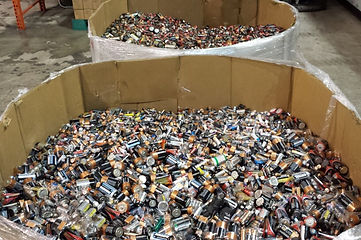
Battery Disposal
-
Primary Batteries
-
Alkaline Batteries
-
Lithium Batteries (AAA, AA, C, D, 9V)
-
Coin or Button Cell Batteries
-
Rechargeable Batteries
-
Medium-format High Energy Batteries
-
Appliance Batteries
-
Embedded Batteries
-
E-bike Batteries
Battery Disposal Links
Denver Battery Disposal (denvergov.org)
A recycling reminder:
recycling saves you time, money, energy
Every piece of cardboard you recycle means a tree get to live another day....
Every time you share a ride with a friend or route your errands efficiently, you're putting less CO2 in the air. That means clearer skies and cleaner air in the front range...


Denver Waste Disposal Guidelines
Denver, residents must use designated Black (trash), Purple (recycling), and Green (compost) carts for weekly waste collection. The following waste disposal guidelines apply to the vast majority of the Denver Metro Area.

Purple Cart (Recycling):
Do not bag recyclables. Rinse food residue from containers and flatten cardboard. The following recyclable items are placed in the Purple Cart:
-
Paper
-
Newspapers
-
Magazines
-
Catalogs
-
Junk Mail
-
Cardboard
-
Paper Bags
-
Office Paper (white and colored)
-
Envelopes (with or without windows)
-
Phone Books
-
Cereal Boxes (empty and rinsed)
-
Paper Products
-
Paper Milk Cartons (rinsed)
-
Paper Juice Cartons
-
Plastics
-
Bottles and jugs (plastic #1 and #2) – rinse thoroughly
-
Yogurt Containers (rinsed)
-
Detergent Bottles (rinsed)
-
Plastic Food Containers (#1-7)
-
Soda Bottles
-
Water Bottles
-
Shampoo Bottles
-
Milk Jugs
-
Cat Litter Jugs
-
Sour Cream tubs
-
Cottage cheese Tubs
-
Butter Tubs
-
Peanut Butter Jars
-
Mayonaise Jars
-
"To-go" or "take out" Plastic Drinking Cups
-
Plastic Microwaveable Trays
-
"Clam-shell" Container
-
Metals
-
Aluminum Cans (rinsed)
-
Steel Cans (rinsed)
-
Metal Food Containers (tin cans)
-
Scrap Metal
-
Glass
-
Clear, Brown, and Green Glass Bottles and Jars (rinsed)
Recycling Plastics
Recycle rigid plastic bottles, jugs, jars, tubs, cups, trays and containers marked with the # 1 through #7 in the recycling symbols in the Denver Recycles program. Please empty all liquids and food when possible. Remove plastic caps and lids and foil tops; they are not accepted for recycling.
Black Cart (Trash):
For general refuse, not hazardous materials.
The following items are placed in the Black Cart:
-
Food-Soiled Items
-
Pizza Boxes
-
Paper Napkins with Food or Liquid Residue
-
Diapers
-
Pet Waste
-
Cat Litter
-
Non-Recyclable Plastics
-
Chip Bags
-
Snack Wrappers
-
Takeout Containers.
-
Plastic Bags
-
Plastic Wrappers
-
Styrofoam
-
Broken items: Dishes, Windows, and Mirrors.
-
Cigarette Butts
-
Carpet
-
Garden Hoses
Green Cart (Compost):
For food scraps and yard waste. Small, CMA certified compost bags are acceptable but not required. The following compostable items are placed in the Green Cart:
-
Food Scraps
-
Produce
-
Meat
-
Bones
-
Dairy
-
Bread
-
Coffee Grounds
-
Spoiled Food
-
Yard Debris
-
Leaves
-
Grass Clippings,
-
Flowers
-
Weeds
-
Small Branches (less than 4 feet long and 4 inches in diameter).
-
Food-Soiled Paper
-
Food-Soiled Napkins and Paper Towels.
-
CMA-Approved Bags: Small, countertop bags (3 gallons or less) approved by the Composting Manufacturers Alliance (CMA) are permitted for collecting kitchen scraps.
Hazardous Items
The following items are considered hazardous or over sized. The following items are prohibited from being placed in the Black, Purple or Green Carts. However, Rockies Hauling pickups and properly disposes of these items:
-
Mattresses
-
Large Appliances
-
Automotive Fluids
-
Motor Oil
-
Gasoline
-
Antifreeze
-
Household Batteries
-
Car Batteries
-
Chemicals
-
Solvents
-
Pesticides
-
Cleaning Chemicals
-
Flammable Materials
-
Propane Tanks
-
Flammable Liquids
-
Explosives
-
Fluorescent Bulbs
-
Medical Waste
-
Bio-medical Waste
-
Infectious waste
-
Mercury
-
Thermometers
-
Paint
-
Tires
-
Construction Material
-
Demolition Debris
-
Electronics
-
Televisions
-
Computers
-
Monitors
-
Cell phones
-
Stereos
-
Printers
-
Building Materials
-
Bricks
-
Concrete
-
Drywall
-
Fencing
-
Pallets
-
Large Wooden Items
-
Railroad Ties
-
Unbundled Branches larger than 4 feet in length or 4 inches in diameter
-
Dirt
-
Sod
-
Rocks